 Search
Planning for your pets
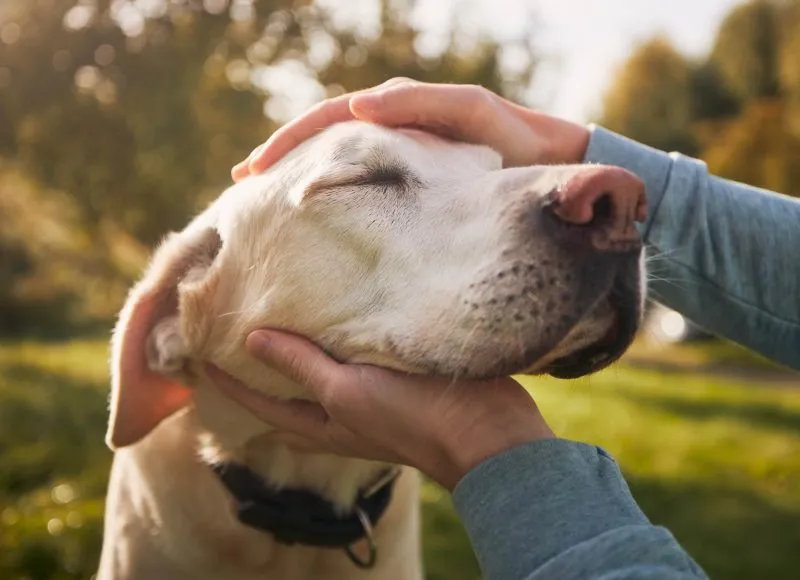
While we often consider our pets as cherished members of our family, the legal system views animals differently, categorizing them as personal property rather than individuals. Consequently, direct bequests of money to your pets, much like leaving money to your household appliances, are typically invalid under the law. However, through careful planning, you can still make provisions for your pets in your estate plan. The specific approach you choose will hinge on various factors, including the availability of a responsible and trustworthy caretaker for your pet, your desire to ensure your wishes are honored, the potential expenses and complexities associated with formal structures, and the unique needs of your beloved animal companion.
More About Pet Planning Services
Pets Require Special Planning
Although pets are beloved members of the family, the law treats them as personal property rather than individuals. This means you cannot leave money directly to a pet in the same way you would to a person. Without proper planning, your intentions for your pet’s care may not be legally enforceable.
With thoughtful estate planning, however, you can create arrangements that help ensure your pet is cared for according to your wishes. The right approach depends on factors such as the availability of a trusted caregiver, the needs of your pet, and how much oversight and structure you want built into your plan.
Choosing a Caretaker
Selecting a caretaker is one of the most important decisions you can make for your pet’s future. This person or organization would assume full responsibility for your pet if you become incapacitated or pass away. It is essential to speak with them in advance to confirm they are willing and able to take on this role.
Circumstances can change over time, so it is wise to name alternate caretakers as well. If you have multiple pets, consider whether one caretaker can reasonably meet all of their needs, especially if the animals require very different levels or types of care.
Designating Decision Making Authority
Appointing a power of attorney agent to make decisions for your pet can be valuable if you become temporarily unavailable or incapacitated. This allows someone you trust to authorize veterinary care or other urgent decisions without delay.
You may choose to name the same person who cares for your pet, or a different individual, depending on your preferences. In some cases, a limited power of attorney specific to pet care can help keep responsibilities clear while protecting your broader financial information.
Planning After Your Passing
Plans for your pet’s care after your death can be informal or formal, depending on how much structure and legal enforceability you want. Informal plans often rely on goodwill and typically involve leaving your pet and a sum of money to a chosen caregiver through your will.
While simple, informal plans offer limited protection if the caregiver does not follow your wishes. Formal arrangements, though more complex, provide greater oversight and clarity and may be better suited for pets with long lifespans or specialized needs.
Formal Pet Trust Options
Formal pet trusts offer a legally enforceable way to ensure your pet receives proper care. Traditional pet trusts involve naming a caretaker and a trustee, with trust funds distributed specifically for the pet’s benefit. These arrangements can include oversight and conditions to ensure funds are used appropriately.
Statutory pet trusts are authorized by state law and are available in all states. Because rules vary by state, working with an experienced attorney is essential to determine funding, duration, and how remaining assets are handled once the trust ends.
Care Instructions and Documentation
Regardless of the structure you choose, detailed care instructions are critical. These should include medical needs, dietary requirements, behavioral considerations, and contact information for veterinarians or other service providers.
Maintaining an accessible file with licenses, vaccination records, and care notes helps ensure a smooth transition. Keeping this information updated and ensuring caretakers know where to find it can make a meaningful difference in your pet’s well-being.
Pets Require Special Planning
Although pets are beloved members of the family, the law treats them as personal property rather than individuals. This means you cannot leave money directly to a pet in the same way you would to a person. Without proper planning, your intentions for your pet’s care may not be legally enforceable.
With thoughtful estate planning, however, you can create arrangements that help ensure your pet is cared for according to your wishes. The right approach depends on factors such as the availability of a trusted caregiver, the needs of your pet, and how much oversight and structure you want built into your plan.
Choosing a Caretaker
Selecting a caretaker is one of the most important decisions you can make for your pet’s future. This person or organization would assume full responsibility for your pet if you become incapacitated or pass away. It is essential to speak with them in advance to confirm they are willing and able to take on this role.
Circumstances can change over time, so it is wise to name alternate caretakers as well. If you have multiple pets, consider whether one caretaker can reasonably meet all of their needs, especially if the animals require very different levels or types of care.
Designating Decision Making Authority
Appointing a power of attorney agent to make decisions for your pet can be valuable if you become temporarily unavailable or incapacitated. This allows someone you trust to authorize veterinary care or other urgent decisions without delay.
You may choose to name the same person who cares for your pet, or a different individual, depending on your preferences. In some cases, a limited power of attorney specific to pet care can help keep responsibilities clear while protecting your broader financial information.
Planning After Your Passing
Plans for your pet’s care after your death can be informal or formal, depending on how much structure and legal enforceability you want. Informal plans often rely on goodwill and typically involve leaving your pet and a sum of money to a chosen caregiver through your will.
While simple, informal plans offer limited protection if the caregiver does not follow your wishes. Formal arrangements, though more complex, provide greater oversight and clarity and may be better suited for pets with long lifespans or specialized needs.
Formal Pet Trust Options
Formal pet trusts offer a legally enforceable way to ensure your pet receives proper care. Traditional pet trusts involve naming a caretaker and a trustee, with trust funds distributed specifically for the pet’s benefit. These arrangements can include oversight and conditions to ensure funds are used appropriately.
Statutory pet trusts are authorized by state law and are available in all states. Because rules vary by state, working with an experienced attorney is essential to determine funding, duration, and how remaining assets are handled once the trust ends.
Care Instructions and Documentation
Regardless of the structure you choose, detailed care instructions are critical. These should include medical needs, dietary requirements, behavioral considerations, and contact information for veterinarians or other service providers.
Maintaining an accessible file with licenses, vaccination records, and care notes helps ensure a smooth transition. Keeping this information updated and ensuring caretakers know where to find it can make a meaningful difference in your pet’s well-being.